FOR VETERINARY LEADERSHIP
Dear Doctor, Practice Manager, and Veterinary Leadership Team,
When a family leaves your practice without the dog who came in with them, they take your care with them. The patience you offered, the questions you answered, and the dignity you gave their dog matter. At home, though, they may encounter questions they could not have asked in the room: How do I live without him? Why can’t I move the leash? Did I do the right thing?
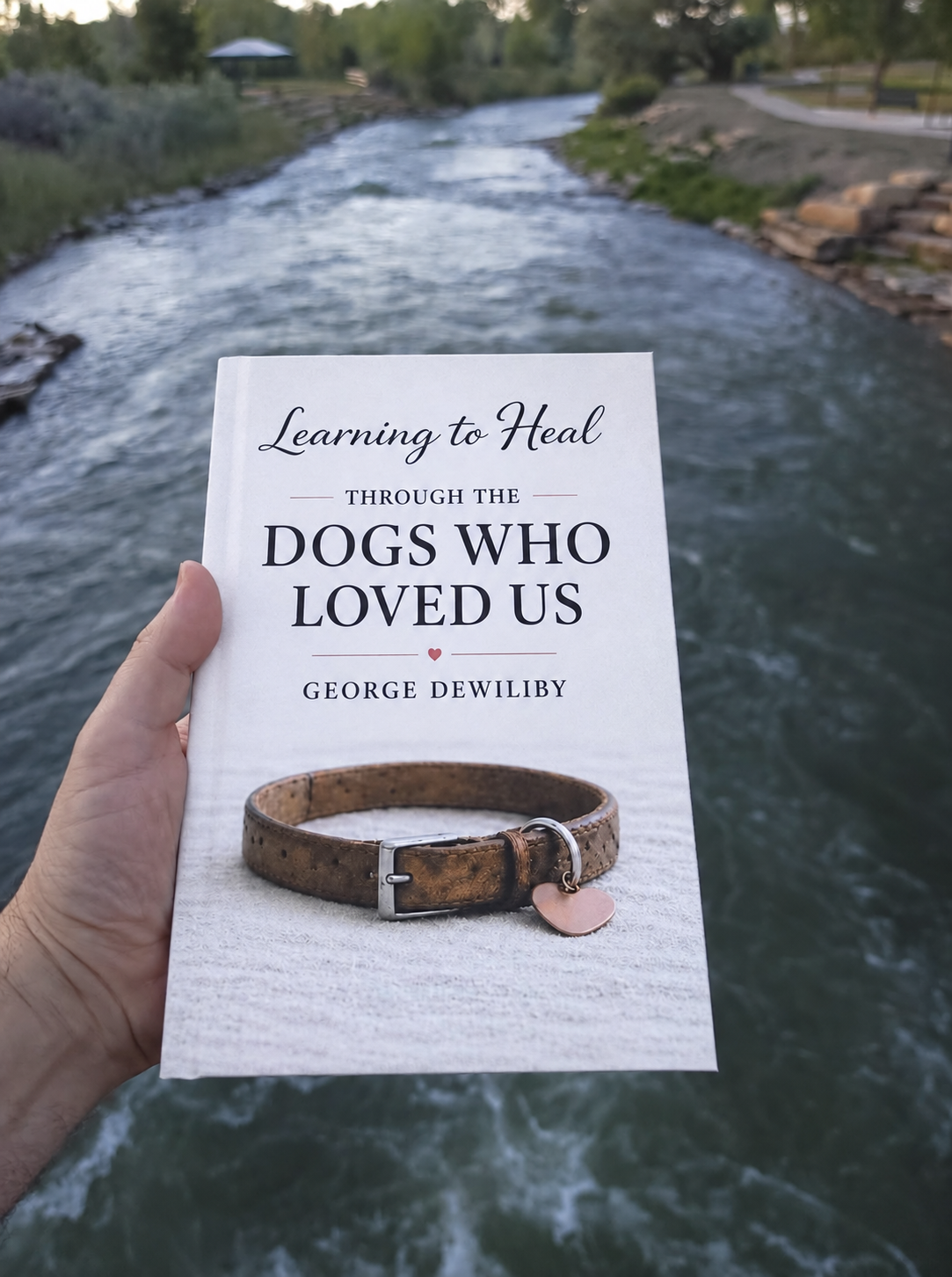
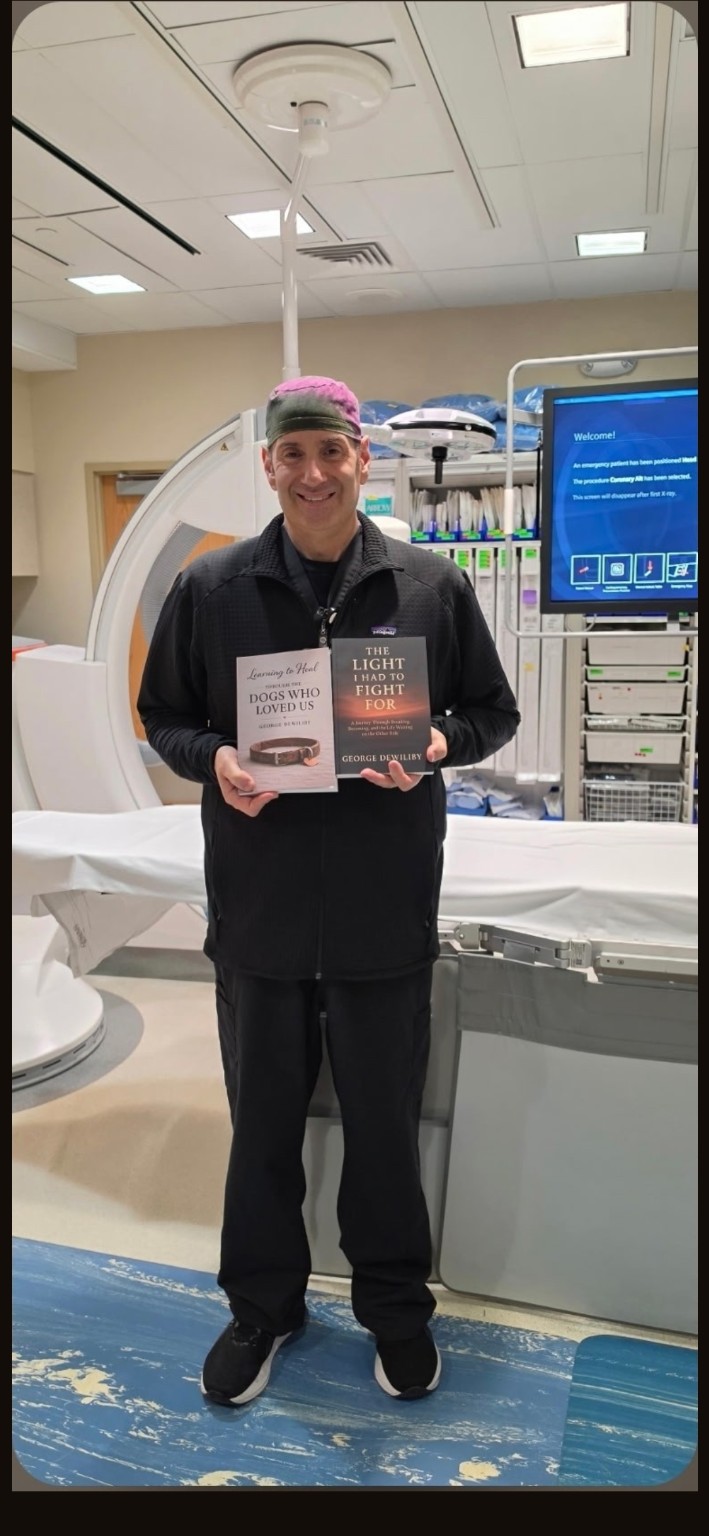
I wrote Learning to Heal Through the Dogs Who Loved Us for that part of the experience. I have worked in cardiac catheterization laboratories since 1997, caring for patients and families through fear, uncertainty, and loss. Yet when my family had to say goodbye to our Labrador, Wilson, I found myself trying to understand grief from a different place. Our veterinary team gave him compassion and a peaceful ending. The paw prints, nose prints, and keepsakes mattered to us. So did the care we received. I still needed help finding my way through the days that followed.
As I developed the book, I visited more than twenty veterinary clinics throughout western Colorado and spoke with veterinarians, technicians, reception staff, and clinic leaders. I asked what they would want a book to address for grieving families. Those conversations helped shape its opening material: the drive to the appointment, the moment of leaving without the dog, the ride home, and the guilt and second-guessing that can follow a decision made with love.
The book then makes room for twenty-five families’ stories, reflective interludes, and Wilson’s story, with “Wilson Speaks” bringing it to a close. Together, these pages return attention to the whole relationship: the routines, personalities, shared years, and ordinary moments that made each dog part of a family. The final day can become so overwhelming that it obscures those years. My hope is to help readers remember more of the life they shared while giving them room to grieve its ending.
Veterinary teams have helped me understand how the book might fit into their care. At San Juan Veterinary Clinic in Montrose, staff members read it and later requested additional Comfort Cards. Other practices have chosen to keep books available for families. Each team knows its community and can decide whether either resource is useful, and when offering it would feel appropriate.
Ways to offer these resources
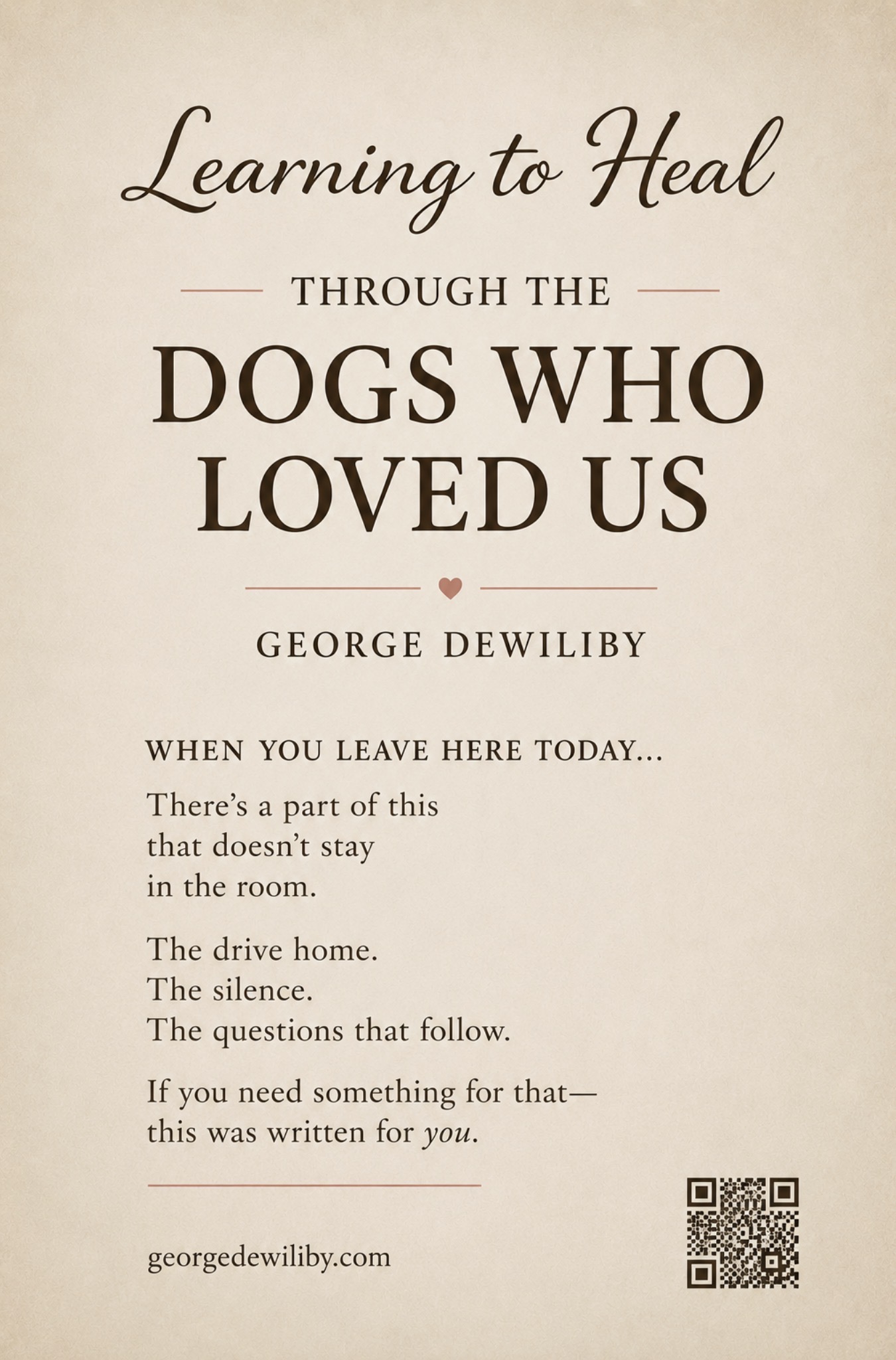
Comfort Cards are available to veterinary practices at no cost. A card can accompany aftercare materials or memorial items, sit at reception, or be offered quietly to a family. Its website address and QR code let people explore the book privately, whenever they feel ready. Your team does not need to stock books, explain them in detail, or ask anyone to make a purchase during a difficult appointment. Practices using the cards can contact me for replenishment.
Books can also be kept in the practice to give to families after a loss or make available in another way that suits your team. If you are interested in carrying copies, please tell me your anticipated quantity and how you would like to use them. I will confirm pricing, availability, and shipping before any order is placed. You are welcome to offer cards, books, or both.
Review a copy before deciding
I welcome requests for a complimentary review copy so veterinary professionals can read the book before deciding whether to offer it to families. Please include your name and role, practice name, website or public practice listing, clinic phone number, practice email, and mailing address. I review each request, verify the practice through independently published contact information, and confirm approval before arranging shipment to the verified clinic address. Mobile practices and other special arrangements are considered individually; submitting a request does not guarantee a complimentary copy.
The book and Comfort Card are intended to complement the care your team already provides. They do not replace veterinary guidance, grief counseling, memorial services, or other support a family may need. They offer something people can return to in their own time, when the appointment is over and they are learning what daily life will be without their dog.
Thank you for considering these resources, and for the care you give families during moments they will remember for the rest of their lives. If you would like to read the book, request cards, or discuss copies for your practice, I would be glad to hear from you.
With gratitude,
George Dewiliby
Author, Learning to Heal Through the Dogs Who Loved Us
GeorgeDewiliby.com
GeorgeDWrites@gmail.com
904-738-3856
Download this letter (Word)Complimentary review copies are subject to practice verification and George's approval, as described above.

 Personally signed