Words for the
MOMENTS
that Break us
and the
MOMENTS
that build us.
There are moments that don’t end when they happen.
They come back without warning—sometimes in the middle of an ordinary day, sometimes in the quiet, sometimes for no clear reason at all. And for a moment, you’re not where you are anymore. You’re back inside something that never fully settled.
This work was not created to fix that.
It exists to meet you there—so what you’re carrying can be understood, not pushed away.
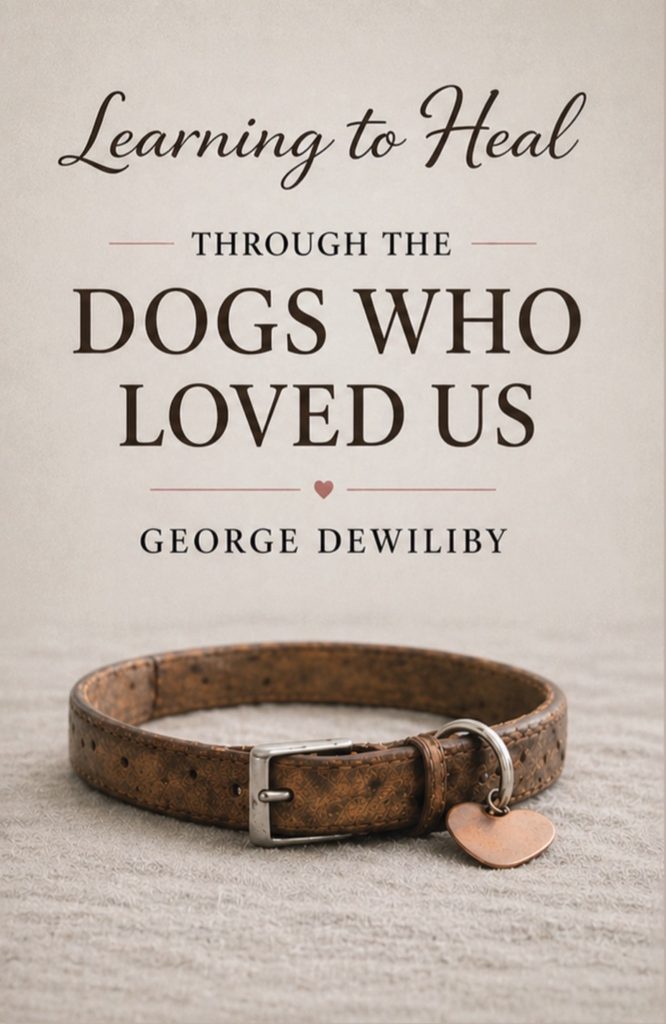
FEATURED BOOK
Learning to Heal Through the Dogs Who Loved Us
Learning to Heal Through the Dogs Who Loved Us was written for the part of losing a dog most people never talk about.
Not just that they’re gone—but the way your life keeps reaching for them anyway.
The sound you still expect to hear.
The space that doesn’t feel right.
The routines that don’t know how to adjust.
Because what you lost wasn’t just a dog.
It was the one who lived your life with you.
This book helps you understand why that bond still feels the way it does—so you’re not pulled back into the moment you lost them every time it returns.
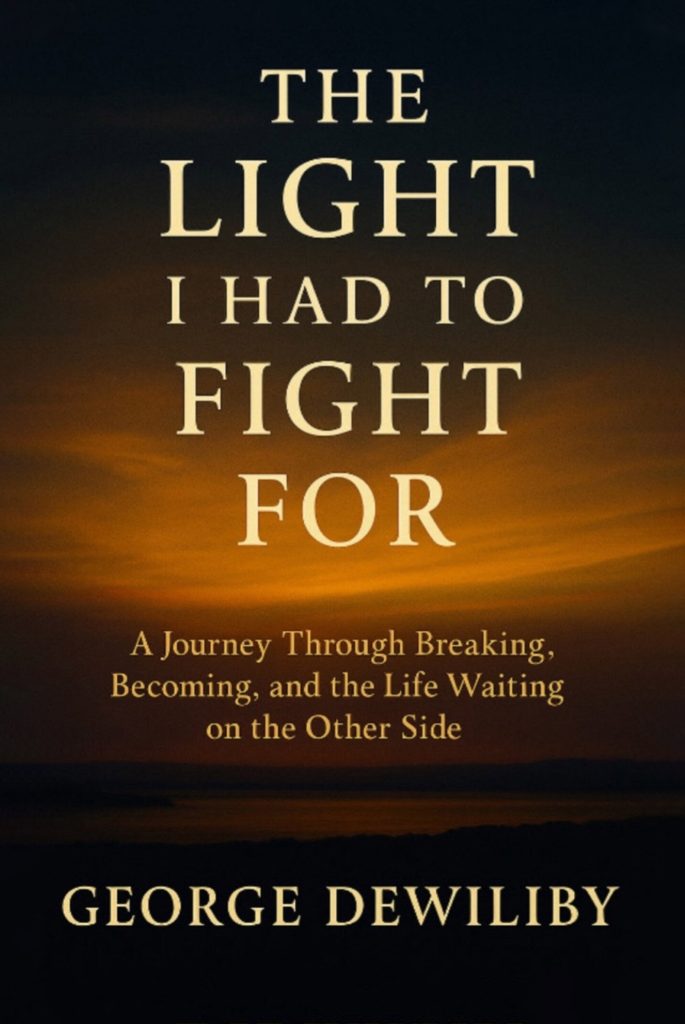
STANDARD BOOK
The Light I Had to Fight For
This book is for those who have lived inside responsibility, pressure, and quiet breaking points.
It explores the emotional weight we are never trained to hold — the unseen costs of endurance, and what it means to keep moving forward without pretending everything is fine.
Written with honesty and restraint, it offers recognition rather than solutions — and space to breathe where none previously existed.
This is not about motivation or recovery arcs. It is about naming what was carried, honoring it, and finding a way forward that remains honest.
FEATURED BOOK
The Light I Had to Fight For
This book is for those who have lived inside responsibility, pressure, and quiet breaking points. It explores the emotional weight we are never trained to hold, the unseen costs of endurance, and what it means to keep moving forward without pretending everything is fine. Written with honesty and restraint, it offers recognition rather than solutions — and space to breathe where none previously existed.
This book is written for people who have carried responsibility, loss, burnout, and quiet trauma longer than anyone ever noticed. It speaks to the moments we are never trained for — the emotional weight, the unseen costs, and the ways a life can fracture without warning. Rather than offering fixes or platitudes, the work focuses on truth, presence, and what it means to keep going without losing yourself. It is not about motivation or recovery arcs — it is about naming what was carried, honoring it, and finding a way forward that remains honest.
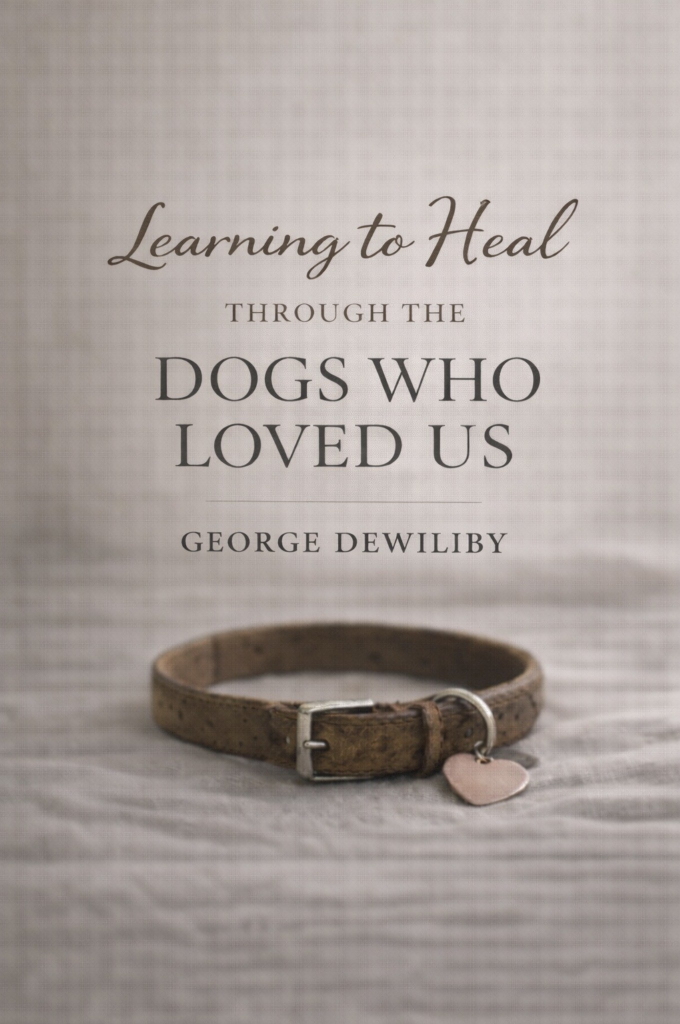
FORTHCOMING WORK
Learning to Heal Through the Dogs Who Loved Us
There is a moment this book is written for.
Not inside the room.
Not the decision.
The part that comes after.
The walk to the car that doesn’t feel real.
The silence that follows you home.
The question that doesn’t stop asking itself:
“Did I do the right thing?”
Most people are not prepared for that part.
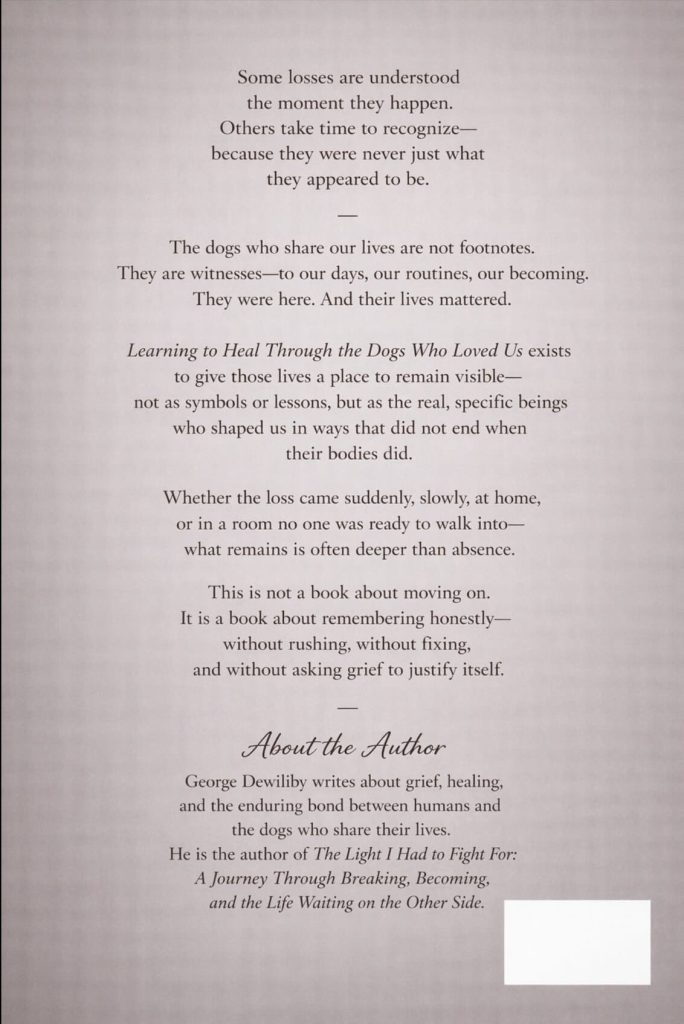
The dogs who share our lives are not footnotes.
They are witnesses — to our days, our failures, our routines, and our becoming.
They learn us without language.
They stay without condition.
And over time, they become part of the structure that holds our lives together.
So when they are gone,
what remains is not only loss.
It is disruption.
Disorientation.
A silence that does not feel empty, but inhabited.
This book exists for that space.
Not to explain grief.
Not to offer answers.
But to meet people inside what they are actually experiencing —
honestly,
without rushing,
without fixing,
and without asking that grief make sense before it is ready.
Because they were here.
And what they were in your life
did not end when they were gone.
—
This work is in its final stage.
It will be released soon —
carefully,
and in the way it was meant to be.
— George Dewiliby
Coming soon
FORTHCOMING WORK
Learning to Heal Through the Dogs Who Loved Us
COMING SOON
The Dogs Who Loved Us (coming Soon)
A tribute to the animals who taught us unconditional presence. Essays about grief, devotion, and the simple truth of being deeply seen.
The Work
Three collections built from lived experience. Writing that names what we carry so it can be held without shame.
Cath Lab Writing
Stories from the cardiac catheterization lab where I worked for seven years. Essays on life, death, witnessing, and the truths learned from holding space in crisis.

George Dewiliby writes about the moments people carry long after they’re supposed to be over.
His work moves through the quiet places most people don’t talk about—the weight that stays in the body, the thoughts that return without warning, and the parts of life that don’t resolve just because time has passed.
He has worked in the cardiac catheterization lab since 1997, standing inside urgency, loss, and responsibility—carrying those moments long after the room goes quiet. That experience shaped the way he sees what people hold, and what they’re often left to carry alone.
His first book, The Light I Had to Fight For, was written from inside that world—naming the emotional weight people are often left to carry without language.
That same understanding is what led to Learning to Heal Through the Dogs Who Loved Us—a work built around the part of loss that doesn’t end when it happens, and the way those moments continue to live in the body long after.
Across both, the focus remains the same:
Not to fix what someone is feeling.
Not to explain it away.
But to meet people inside it—honestly, and without asking them to move on before they’re ready.
George Dewiliby writes for those who carry weight no one asked about. His work moves through the quiet spaces where the unspoken finally becomes language — where endurance, care, and survival find form.
He has worked in the cardiac catheterization lab since 1997, standing shoulder to shoulder with urgency, loss, and responsibility — and carrying those moments home long after the room went quiet. That work shaped a way of seeing formed by intimacy, consequence, and the truths people live with but rarely name aloud.
His writing does not teach or instruct. It holds space. It names what many recognize but were never given permission to say.
This is work for those who kept going — not because it was noble, but because there was no other choice. For those who stayed, who showed up, who carried love and loss in equal measure without expecting applause.