For the question that returns after goodbye
Did I put my dog down too soon?
Sometimes the decision was made with a veterinarian, with love, and because a dog’s body was asking for help—and the mind still returns to the same hour, looking for a different ending.
There is a kind of love that does not feel like love while you are inside it.
It does not feel warm, certain, or resolved. It feels like standing in a moment you never wanted to reach, being asked to choose something that goes against every instinct you have to hold on.
After you leave that room, it does not always settle into grief right away. For many people, it becomes a quiet questioning that moves underneath everything: Was it too soon? Was it too late? Was there something more I could have done if I had only seen it differently?
The question does not come because you did not love your dog enough. It comes because you did. When something matters that much, the mind keeps reaching for another version of the ending—one where you did not have to choose, one where they stayed, one where the moment never arrived.
You were not choosing between loving them and letting them go.
You were choosing how that love would take its final form—remaining with them when they needed you most, even though doing so asked something from you that you never would have chosen for yourself.
From the outside, euthanasia can look like one decision: a moment that happened and then ended. From inside it, the experience is different. It is loving someone enough to take the pain onto yourself so they do not have to remain inside it any longer. It is staying present while everything in you resists what is happening.
You did not take something from them. You took something onto yourself. The part that was going to hurt no matter what, you made sure landed with you instead of them.
The final day was real. It was never large enough to contain the whole life.
Grief can give the ending enormous authority. Thousands of ordinary mornings, walks, meals, ridiculous habits, quiet companionship, and years of care can become difficult to reach because the mind keeps standing inside one day.
But the ending is not the only witness. The worn place where your dog slept is a witness. The way they recognized your footsteps is a witness. So are the routines you built around one another, the changes you noticed as they aged, and every adjustment you made because their comfort mattered.
The question “Did I do the right thing?” may need another question placed gently beside it: “What does the rest of their life say about the way I loved them?”
The weight you feel now is not proof that you failed them.
It is the shape of love still active, still looking for somewhere to land now that the moment has passed. There is no clean way to set it down all at once. But it does not have to remain a question you keep turning over as if enough replaying could produce an ending that never required goodbye.
What happened can be understood for what it was: the hardest kind of love—taking the place that hurt so they did not have to.
If you are holding that kind of moment in your own life, you are not the only person who has walked through it. You are not alone in what you felt, what you chose, or what it cost you to love your dog that way.
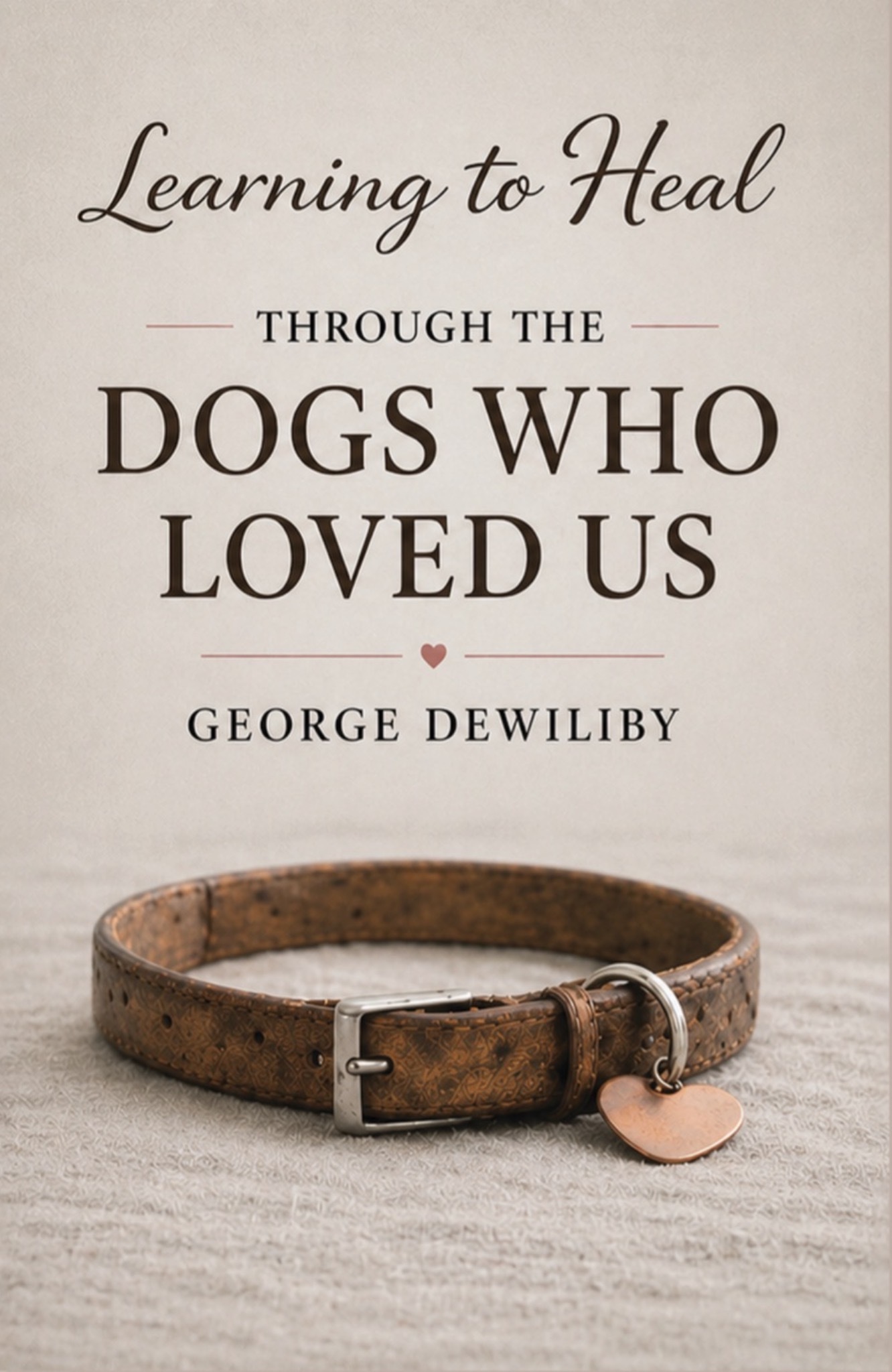
The book that grew from this question
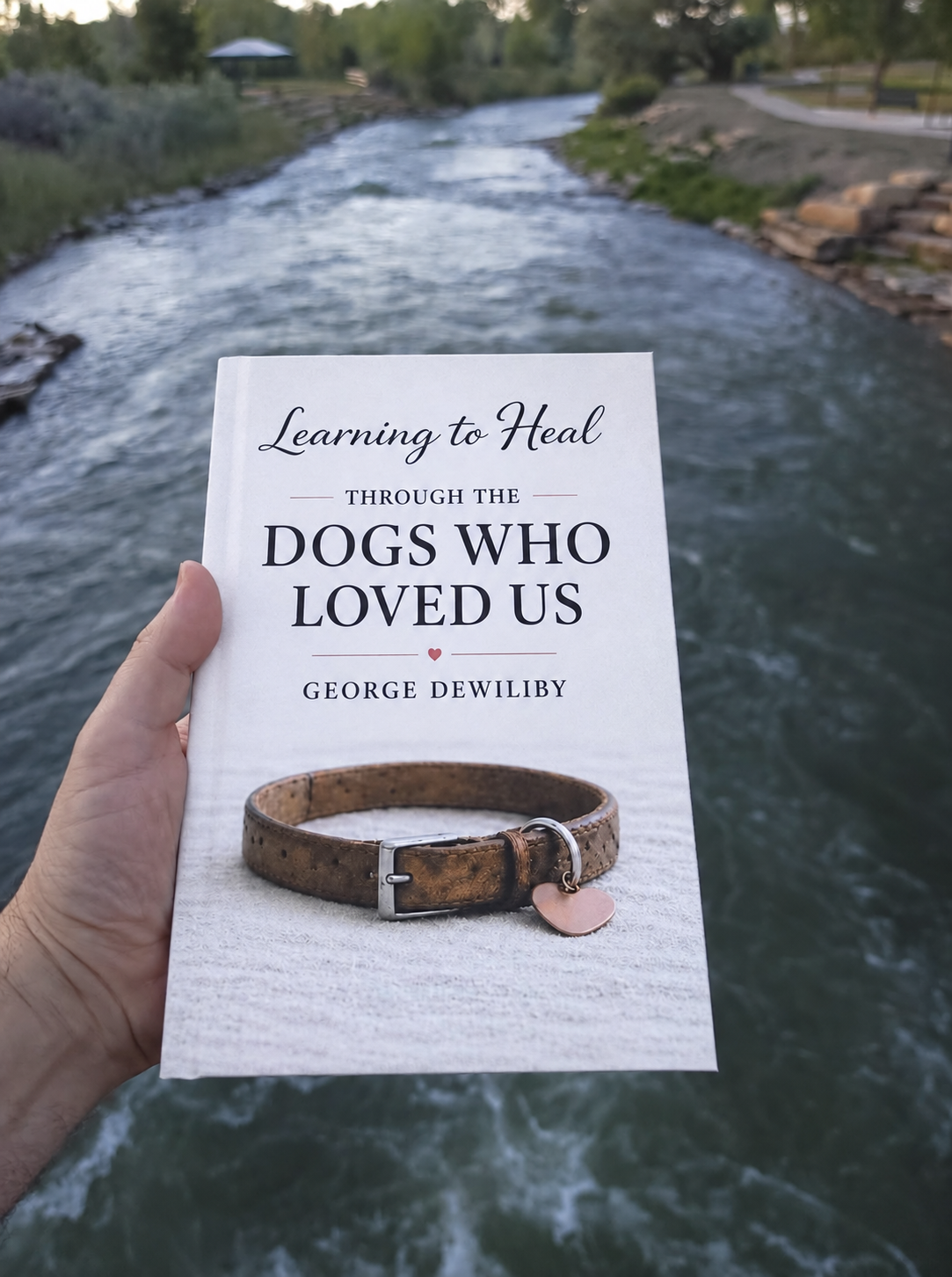
Learning to Heal Through the Dogs Who Loved Us
Twenty-five dogs, twenty-five families, reflective passages, and Wilson’s story help the reader remember that one ending cannot give all the testimony about an entire life.